Daily Exercise for Dogs: Why It Matters
Every responsible pet parent understands that caring for a canine companion involves more than just food and shelter. Regular physical activity stands as one of the cornerstones of proper dog care. Consistent daily exercise does far more than simply prevent your four-legged friend from gaining weight—it fundamentally enhances their quality of life in numerous surprising ways.
Throughout this guide, we'll examine the critical importance of regular physical activity for your canine companion. We'll explore evidence-based benefits and provide practical strategies for creating engaging exercise routines that both you and your dog will enjoy. From health improvements to behavioral transformations, you'll discover why making exercise a non-negotiable part of your dog's routine is one of the greatest gifts you can offer them.
Physical Wellness and Longevity
Consistent exercise plays a crucial role in maintaining your dog's physical health throughout their lifespan. Regular activity helps manage weight, strengthen muscles, and support cardiovascular function. This becomes particularly vital as dogs age, when they become more susceptible to conditions like obesity, joint problems, and heart issues.
For dogs already experiencing health challenges, appropriate exercise can serve as effective therapy. Water-based activities provide low-impact movement for dogs with joint inflammation, while controlled leash walks can help rehabilitate dogs recovering from injuries or surgeries. Working with your veterinarian to design an exercise plan tailored to your dog's specific health needs can significantly improve their comfort and mobility.
Behavioral Harmony
Many common behavioral issues stem directly from insufficient physical activity. Dogs with excess energy often channel it into unwanted behaviors like furniture destruction, excessive vocalization, or hyperactive episodes. Regular, purposeful exercise depletes this surplus energy, resulting in a calmer, more balanced canine companion when at home.
Beyond managing energy levels, regular outings expose your dog to diverse environments, people, and other animals. These experiences build confidence and social skills, reducing fearfulness and reactivity. Well-exercised dogs typically demonstrate greater resilience when facing stressful situations and show fewer signs of anxiety when left alone.
Cognitive Engagement and Stimulation
Physical activity does double duty by simultaneously engaging your dog's mind. Without adequate stimulation, dogs can develop destructive habits born from boredom and frustration. Regular exercise, especially when it includes novel experiences, provides essential mental challenges that keep your dog's cognitive abilities sharp.
Activities like scent work, navigating new terrain, or learning to interact with unfamiliar objects all provide valuable brain exercise. This mental engagement becomes increasingly important for senior dogs, as regular cognitive challenges have been shown to slow age-related mental decline and maintain neurological health longer.
Relationship Building
Exercising together creates profound bonding opportunities between you and your canine companion. These shared activities establish trust, improve communication, and create a foundation of positive shared experiences. The time spent actively engaged together strengthens your relationship in ways that passive interaction simply cannot match.
During exercise sessions, you'll learn to better read your dog's body language and behavioral cues, while they'll become more responsive to your guidance and commands. This improved mutual understanding translates to better cooperation in all aspects of your shared life.
Creating an Effective Exercise Program
Developing a sustainable exercise routine requires thoughtful consideration of your dog's unique needs. Here are key strategies to implement:
- Begin conservatively and progressively increase duration and intensity, particularly for puppies, seniors, or dogs new to regular exercise.
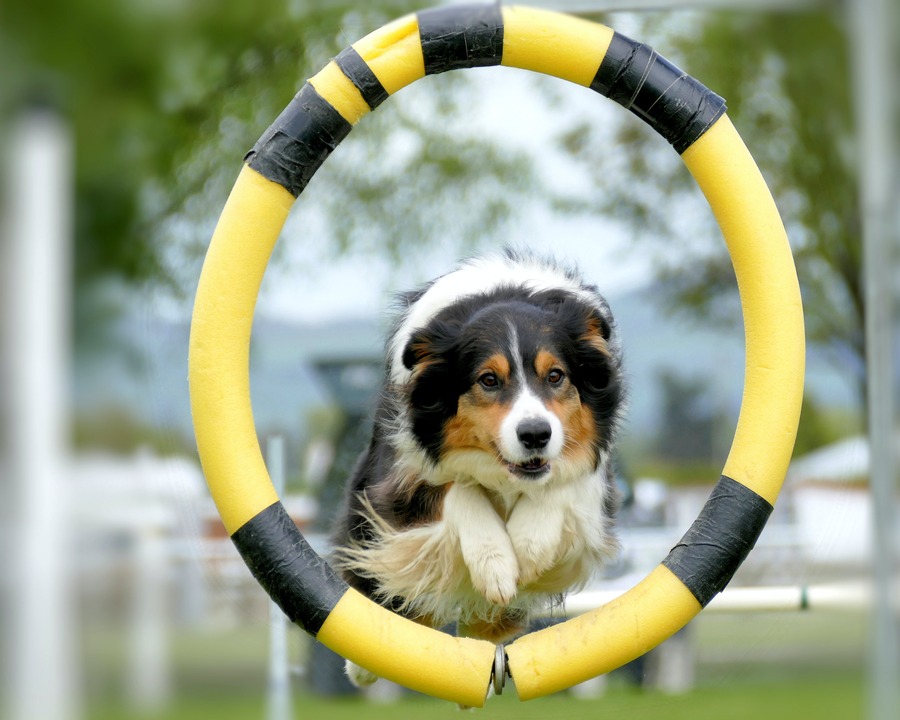
- Incorporate variety through different activities—from structured walks and fetch sessions to swimming, hiking new trails, or trying dog sports like agility.
- Use positive reinforcement techniques during exercise to make the experience rewarding and strengthen your training foundation.
- Exercise responsibly by considering environmental conditions—avoid pavement in extreme heat, provide appropriate cooling opportunities, and adjust schedules seasonally.
- Focus on enjoyment rather than rigid schedules—find activities that genuinely delight your dog and make exercise a highlight of their day rather than an obligation.
Ultimately, consistent physical activity represents one of the most significant contributions to your dog's overall wellbeing. By prioritizing regular exercise tailored to your dog's individual needs and preferences, you're investing in their health, happiness, and your shared bond for years to come.