Maintaining Your Dog's Coat: A Complete Guide
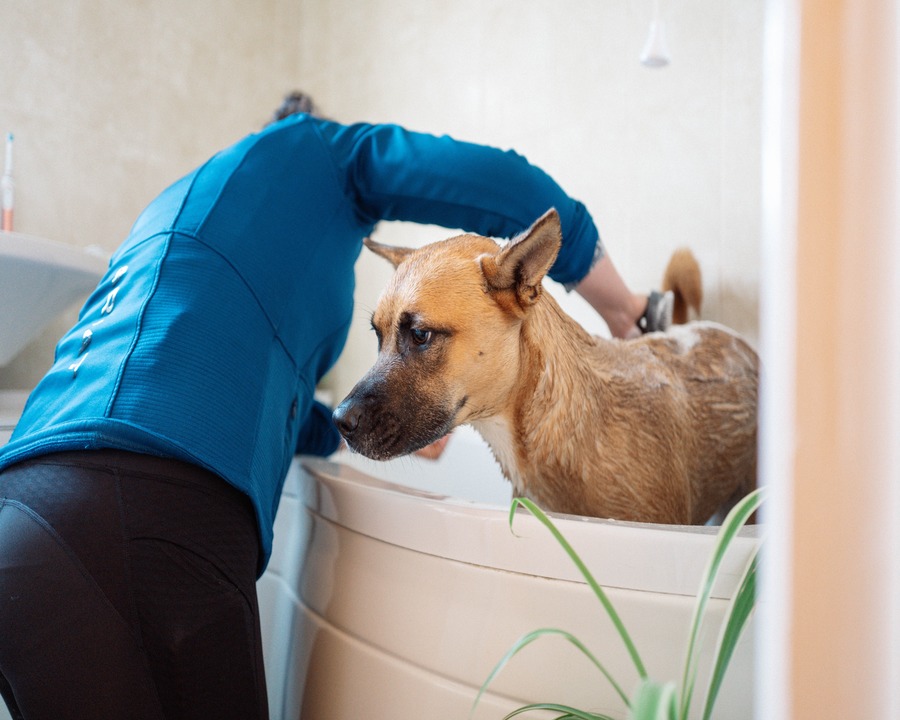
A healthy, lustrous coat is more than just a beauty feature for your canine companion—it's an essential component of their overall wellbeing. Your dog's fur serves multiple crucial functions: insulation against extreme temperatures, protection from environmental elements, and even as an early warning system for potential health issues. Developing a thoughtful, consistent grooming strategy tailored to your dog's specific needs will ensure their coat remains in optimal condition. Here are essential practices to incorporate into your dog's coat care routine:
- Implement a consistent brushing schedule
- Determine appropriate bathing frequency
- Establish parasite prevention protocols
- Schedule professional or at-home haircuts
- Monitor for coat and skin abnormalities
- Provide nutrition that supports coat health
- Ensure proper hydration
- Consider beneficial supplements
Consistent brushing is the cornerstone of coat maintenance. The frequency depends entirely on your dog's breed characteristics—daily sessions might be necessary for long-haired breeds like Collies or Shih Tzus, while short-coated breeds such as Beagles or Boxers might only need weekly attention. Beyond removing loose fur, regular brushing distributes natural oils throughout the coat, prevents painful matting, and creates bonding opportunities between you and your pet.
When it comes to bathing, there's no universal schedule that works for every dog. Factors including activity level, skin conditions, and coat type all influence how often your dog needs a bath. Generally, most dogs benefit from bathing every 4-8 weeks, though active outdoor dogs may need more frequent cleaning. Always use pH-balanced dog-specific shampoos—never human products—and ensure thorough rinsing to prevent irritation from soap residue. A handheld sprayer attachment can make the process significantly easier for both of you.
External parasites represent one of the most common threats to coat health. Fleas, ticks, and mites not only cause discomfort but can lead to serious skin infections, allergic reactions, and transmit diseases. Work with your veterinarian to select the most appropriate preventative solution for your specific dog, considering factors like age, weight, existing health conditions, and lifestyle. Options range from monthly topical treatments to oral medications and protective collars—each with their own advantages for different situations.
Regular trimming maintains coat functionality and prevents complications. Double-coated breeds like Huskies and German Shepherds benefit from professional de-shedding treatments, while continuously growing-haired breeds like Poodles and Bichons require regular cuts to prevent matting. While professional groomers offer expertise, many pet parents successfully handle basic maintenance trimming at home with proper tools and techniques. Remember that coat trimming isn't just aesthetic—it's functional maintenance that affects your dog's comfort and health.
Your dog's coat serves as a visible health indicator. Sudden changes in texture, unusual shedding patterns, bald patches, or persistent scratching demand prompt veterinary attention. These symptoms could signal allergies, hormonal imbalances, autoimmune conditions, or nutritional deficiencies. Early intervention not only resolves coat issues but can prevent more serious health complications from developing. Document any changes with photos to share with your veterinarian.
Nutrition fundamentally influences coat quality from the inside out. High-quality proteins provide the amino acid building blocks essential for strong, resilient fur growth. Beneficial fats, particularly omega-3 and omega-6 fatty acids, contribute to coat luster and skin flexibility. Many premium dog foods formulate specific ratios of these nutrients to support optimal coat health. Consult your veterinarian about whether your dog's current diet adequately supports their specific coat type and health needs.
Proper hydration plays a crucial yet often overlooked role in maintaining skin elasticity and coat health. Dehydration quickly manifests as dry, brittle fur and flaky skin. Ensure your dog has constant access to fresh, clean water, and consider incorporating wet food into their diet if they're reluctant drinkers. During hot weather or periods of increased activity, proactively monitor water intake and encourage drinking to maintain optimal hydration levels.
Targeted supplements can address specific coat challenges when diet alone isn't sufficient. Fish oil supplements rich in EPA and DHA omega-3 fatty acids often yield noticeable improvements in coat shine and reduce inflammatory skin conditions. Biotin supports healthy fat metabolism essential for coat growth, while vitamin E acts as an antioxidant protecting skin cells. Before introducing any supplement, consult your veterinarian to determine appropriate products and dosages for your dog's specific needs.
By implementing these comprehensive coat care strategies, you'll not only enhance your dog's appearance but significantly contribute to their comfort and health. Remember that consistency matters more than perfection—establishing regular grooming habits that work with your lifestyle will yield the best long-term results. With thoughtful attention to these fundamentals, your canine companion will enjoy a healthy, comfortable coat throughout all seasons and life stages.