Teaching Your Canine Companion Leash Etiquette
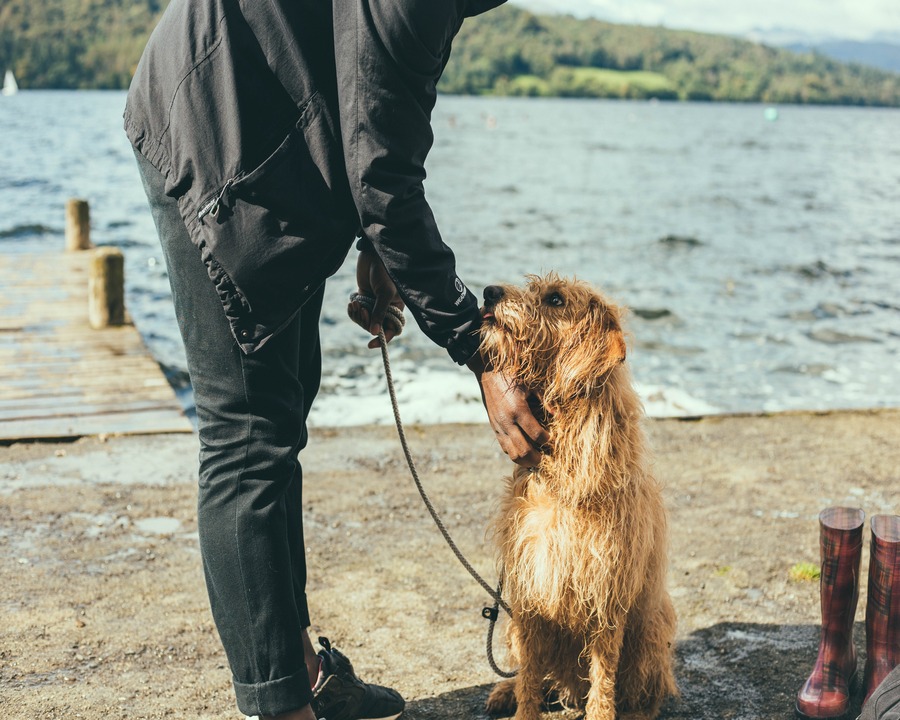
Daily walks are a fundamental aspect of responsible dog ownership, providing exercise, mental stimulation, and bonding opportunities. However, many dog owners struggle with leash pulling, making what should be an enjoyable activity stressful for both parties. The good news is that with consistent training methods and a thoughtful approach, you can transform chaotic walks into pleasant outings. This guide explores effective strategies to help your canine companion become a polite leash walker.
Establish a Foundation
Before tackling leash skills directly, ensure your dog is comfortable with wearing their walking gear. For puppies or dogs new to collars and harnesses, create positive associations through gradual exposure. Allow your pet to investigate the equipment first, then place it on them for brief periods while offering treats and praise. Incrementally extend wearing time until your dog shows no signs of discomfort. Only once this foundation is established should you connect the leash and begin movement training.
Select Appropriate Equipment
Your training success often depends on using tools that match your dog's size, strength, and temperament. Traditional flat collars work well for naturally calm dogs, while front-clip harnesses provide better control for enthusiastic pullers without causing neck strain. For larger dogs with significant pulling habits, consider head halters that gently redirect their attention. Avoid retractable leashes during training phases, as they can reinforce inconsistent distance expectations. A standard 4-6 foot leash offers optimal control while teaching proper walking manners.
Reward-Based Training Approach
Positive reinforcement forms the cornerstone of effective leash training. Rather than punishing pulling behavior, focus on rewarding moments when your dog naturally walks beside you with slack in the leash. High-value treats, enthusiastic verbal praise, and brief play sessions can all serve as meaningful rewards. Timing is crucial—deliver rewards precisely when your dog demonstrates the desired position and pace. This creates a clear connection between proper leash behavior and positive outcomes.
Cultivate Patience
Leash training requires a significant investment of time and emotional resilience. Dogs, particularly those with established pulling habits, need consistent practice to develop new walking patterns. Begin with short, structured training sessions in low-distraction environments before progressively challenging your dog with longer durations and more stimulating settings. Remember that occasional regression is normal, especially when faced with exciting stimuli like squirrels or other dogs. Maintaining calm consistency during these moments teaches your dog that pulling never achieves the desired outcome.
Implement Clear Cue Words
Verbal cues enhance communication during walks when used consistently. Select distinct phrases like "walk nice" or "with me" that signal your expectation for polite leash behavior. Introduce these cues in moments when your dog is already walking appropriately, then immediately reward the behavior. Over time, your dog will associate the verbal prompt with the action, allowing you to proactively request proper leash manners when approaching potential distractions.
Effective Training Methodologies
Several proven techniques can address leash pulling. The "be a tree" approach involves completely stopping movement when your dog pulls, resuming only when tension disappears from the leash. This teaches that pulling halts progress rather than accelerates it. Alternatively, the direction-change method involves immediately turning and walking the opposite way when pulling occurs, helping your dog learn to monitor your movement rather than forge ahead. For particularly enthusiastic dogs, the "follow me" game encourages attention—make unpredictable turns while rewarding your dog for staying with you, gradually building duration between rewards.
Consistent Practice Schedule
Leash skills develop through regular reinforcement. Incorporate multiple short training sessions throughout the week rather than relying on weekend marathon sessions. Even brief 5-10 minute focused practice periods, when conducted consistently, yield significant improvements over time. Vary your training environments gradually, starting in your yard or quiet streets before progressing to more challenging locations with greater distractions. This progressive approach builds reliable leash manners across diverse situations.
Professional Support Options
While many dogs respond well to owner-led training, some situations warrant professional guidance. Consider working with a dog trainer if your dog demonstrates extreme pulling, reactivity issues, or if previous training attempts haven't produced results. Group classes offer structured learning environments with built-in distractions, while private sessions allow for customized approaches targeting your specific challenges. Professional trainers can identify subtle handling errors and suggest equipment adjustments that dramatically improve your training success.